The first time I tested a Primestelly IPTV Subscription, I approached it the same way I evaluate any streaming service for my clients: with skepticism, a stable internet connection, and multiple devices running at once. After more than a decade working in streaming technology and helping households cut traditional cable, I’ve learned that flashy channel lists mean nothing if the service can’t deliver stable playback during peak hours. My initial trial with Primestelly wasn’t about counting channels; it was about stress-testing performance in real-world conditions.
Over the years, I’ve set up IPTV systems for families, small businesses, and even a neighborhood sports lounge that needed reliable live coverage without the cost of commercial cable contracts. One of the most common mistakes I see is people choosing an IPTV subscription purely based on price. They assume every provider offers the same experience. That’s rarely true. Stability, server optimization, and customer support responsiveness matter far more than a long list of international channels you may never watch.
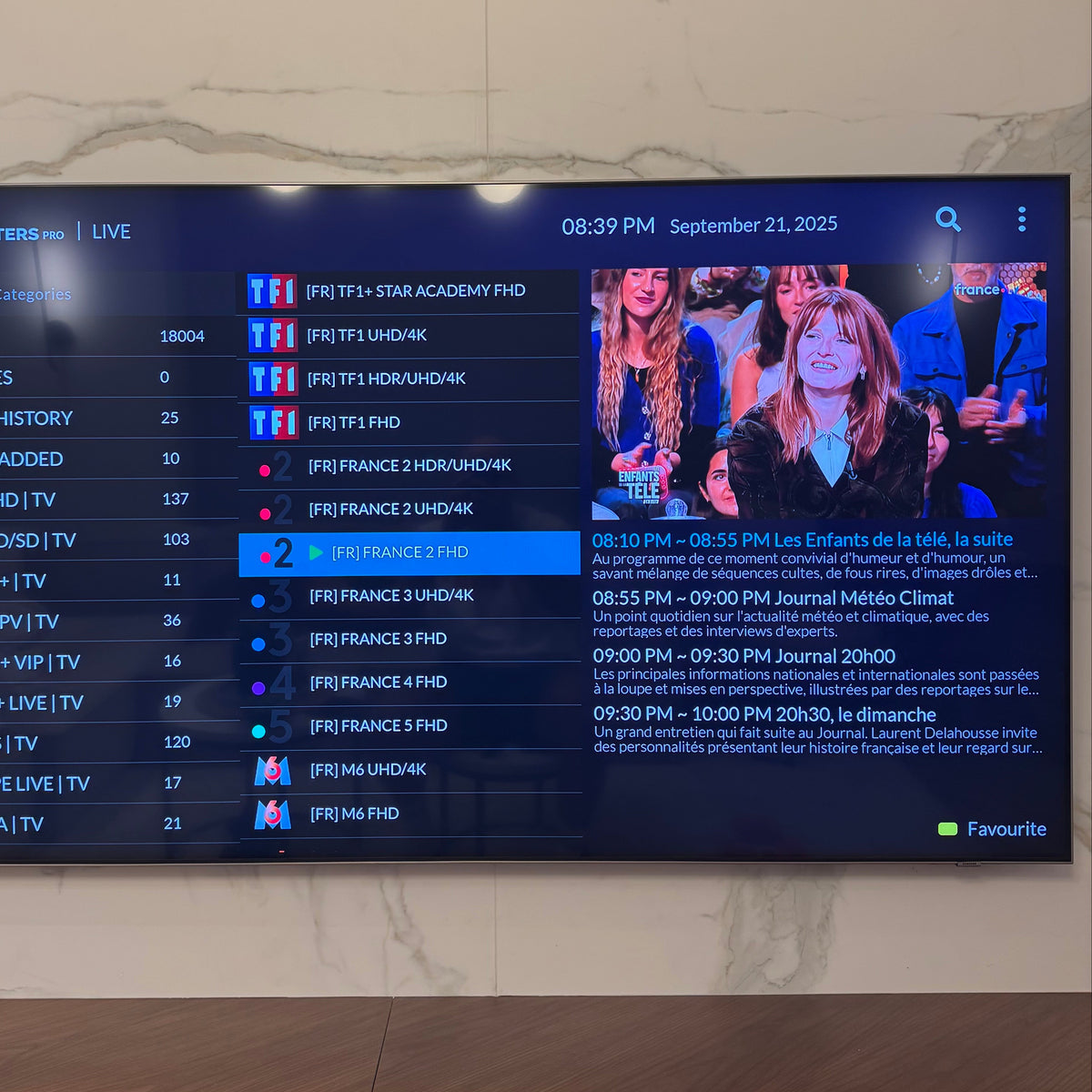
When I first integrated Primestelly IPTV Subscription into my home test environment, I ran it across a Smart TV, a mid-range Android box, and a Fire TV device. I deliberately streamed live sports during prime time because that’s where weaker services typically fail. Buffering during a major match is the quickest way to lose trust in a provider. To my surprise, the stream held steady. There were minor resolution adjustments for a few seconds, which is normal adaptive streaming behavior, but no repeated freezing or crashes.
A customer I worked with last spring had switched to a different IPTV provider before coming to me. They were frustrated because every weekend their service would lag right when multiple family members were watching different programs. After testing their internet speed and router placement, we realized the issue wasn’t their connection; it was the IPTV servers struggling under load. I recommended trying Primestelly IPTV Subscription as a replacement. After setting it up and monitoring performance over several weeks, the difference was noticeable. Fewer interruptions and faster channel switching made the experience feel closer to traditional cable.
That said, IPTV is never completely plug-and-play. I’ve seen people blame the subscription when the real issue was a weak Wi-Fi signal or an overloaded router. In one case, I visited a client who insisted their IPTV service was defective. Their modem was tucked inside a cabinet behind thick wooden panels. After repositioning it and switching to a wired Ethernet connection for their main streaming device, the buffering disappeared. Primestelly performed consistently once the network bottleneck was resolved. My professional advice is simple: if you’re investing in any IPTV subscription, make sure your home network is equally reliable.
Another aspect I evaluate carefully is channel organization and interface compatibility. Some IPTV services technically work but feel clunky. With Primestelly, I found the EPG integration reasonably smooth on most popular apps. While not every app behaved identically, the subscription itself provided consistent playlist support. For users who aren’t tech-savvy, this matters. A service that requires constant manual refreshing or troubleshooting becomes frustrating quickly.
I also pay attention to how providers handle customer communication. In my experience, the true test of an IPTV subscription is not how it works on a good day, but how quickly issues are addressed on a bad one. During one testing period, I noticed a temporary channel outage. The support response wasn’t instant, but it was timely enough to reassure me that the issue was being managed. That level of responsiveness is something I consider essential before recommending any service.
Would I recommend Primestelly IPTV Subscription? Based on hands-on testing and real client scenarios, I would say it’s a solid option for users who have stable internet and realistic expectations. No IPTV service is flawless, and anyone promising zero downtime isn’t being honest. But compared to many providers I’ve evaluated over the past ten years, Primestelly holds up well under typical household demand.
For viewers considering making the switch from cable or trying IPTV for the first time, my strongest advice is to think beyond the marketing. Focus on performance during high-traffic hours, compatibility with your devices, and the reliability of your own network setup. In my professional experience, those factors determine satisfaction far more than the sheer number of channels offered.