I’ve spent more than a decade working in television delivery and streaming infrastructure, starting with traditional broadcast systems and later moving into IP-based platforms used across North America. My work has rarely been about content hype. It’s been about diagnosing stream drops during live events, understanding why certain regions experience buffering while others don’t, and explaining to users why the same service behaves differently from one household to the next. That background shapes how I look at any IPTV service operating in Canada, including Flixtele IPTV Canada.
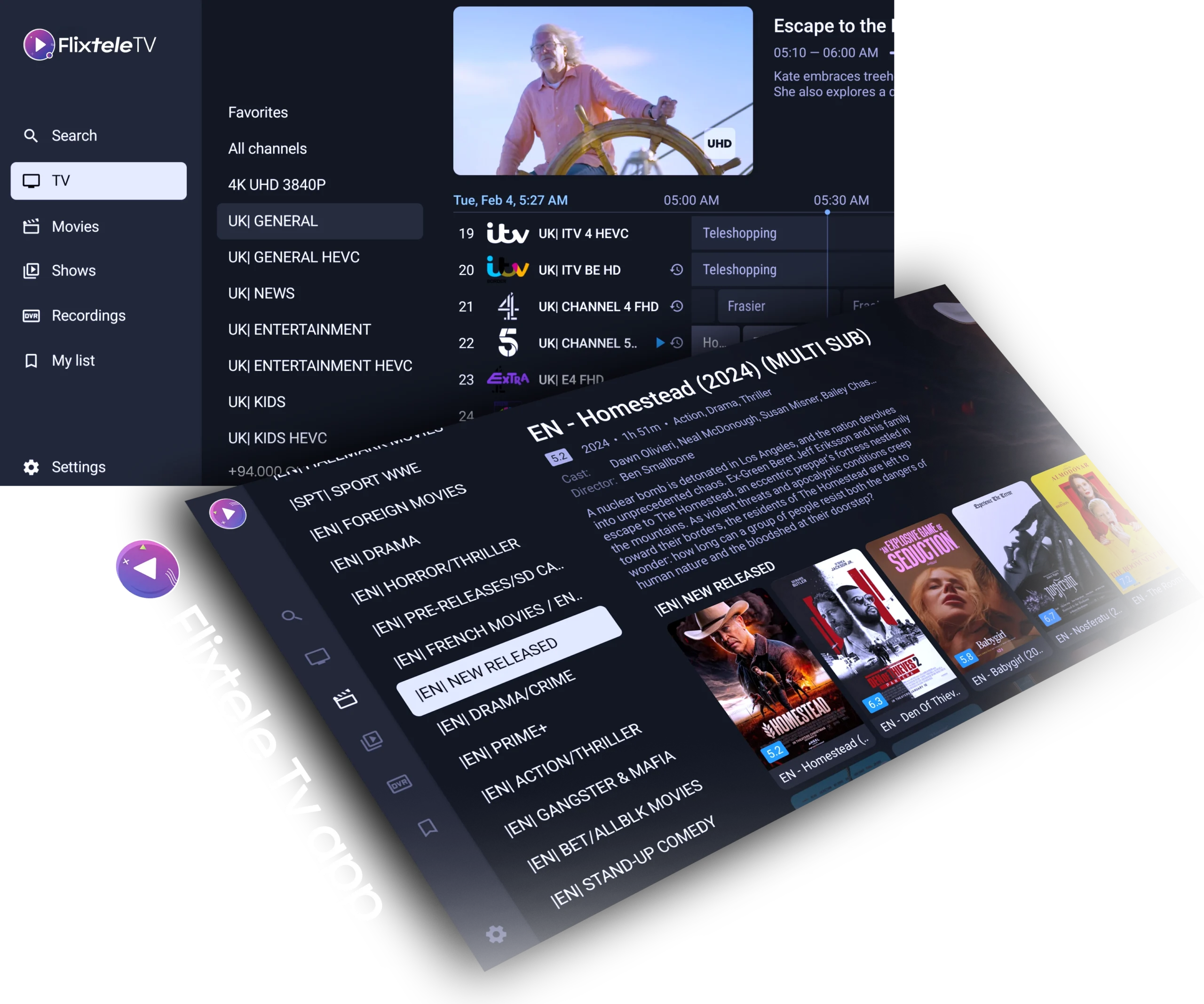
The first time I paid attention to Flixtele in a Canadian context was through a technical discussion rather than a recommendation. Someone I worked with was comparing viewing stability between provinces and noticed fewer complaints coming from users accessing Flixtele compared to another service they’d been testing. That immediately caught my attention, because Canada presents its own challenges—longer routing distances, variable ISP performance, and peak usage that doesn’t always align with U.S. traffic patterns.
In my experience, services that perform acceptably in one region can struggle badly once geography changes. I remember working on a platform years ago that ran smoothly in major U.S. cities but consistently underperformed for Canadian users during winter evenings, when household usage spiked. The issue wasn’t content; it was infrastructure planning. When I later tested Flixtele IPTV Canada under similar conditions—multiple devices active, evening viewing, mixed live and on-demand usage—the consistency stood out more than any single feature.
One thing I pay close attention to is how live channels behave during shared national moments. Canadian viewers tend to tune in all at once for certain broadcasts, and that kind of concurrency exposes weak systems quickly. I’ve seen platforms that looked fine for weeks suddenly unravel during those periods. With Flixtele, the experience felt more controlled. That usually signals a more cautious approach to capacity rather than aggressive overselling.
Another detail that matters to me is how the service feels over time. I once evaluated an IPTV platform that impressed everyone during the first few days but became frustrating within a month—channel lists shifted unexpectedly, playback errors became routine, and small issues went unresolved. Over a longer stretch using Flixtele IPTV Canada, what stood out wasn’t novelty but predictability. Channels loaded when expected, and the overall behavior didn’t change drastically from week to week.
I’ve also seen users make the mistake of judging IPTV services solely on channel count. From an operational standpoint, that’s rarely the right metric. I’ve worked on systems where expanding the lineup too quickly caused instability across the board. From what I’ve observed, Flixtele appears to favor stability over excess, which tends to suit Canadian users dealing with varied connection quality.
That doesn’t mean it’s a universal fit. Some viewers prioritize specific niche channels, others care most about sports timing, and some want the simplest possible interface. In my experience, frustration usually comes from a mismatch between expectations and how a service is actually designed, not from outright failure.
From a professional perspective, Flixtele IPTV Canada feels like a service built with an understanding of real-world viewing conditions rather than ideal ones. It doesn’t draw attention to itself with spectacle. Instead, it focuses on doing the quiet work—keeping streams steady, interfaces usable, and behavior consistent across different usage patterns.
After years of seeing what causes IPTV services to fail in Canada, I’ve learned that reliability is rarely dramatic. It shows up in the absence of repeated problems. That’s what has shaped my view of Flixtele in this space.